Interface Journal
The Journal of Wheel/Rail Interaction
Interface Journal
Navigation
  • Home
  • About Interface
  • Contact
  • Wheel Rail Seminars
  • Advertisement & Sponsorship
You are here: Home › Maintenance › Page 2
Currently browsing category

Maintenance

Splash

WRI EU 2015 Part 1: Systemic Challenges, Systemic Successes

April 12, 2016 | Filed under: Friction Management, International, Maintenance, Rail Grinding, Wheel/Rail Interaction

By Jeff Tuzik For over 20 years, the Wheel/Rail Interaction conferences have brought together railway industry professionals, researchers and suppliers to share their expertise in the field of wheel/rail interaction. Until recently, the conferences have been held only in the United States and have drawn on North American experiences. In …

IMG

WRI 2015 — Heavy Haul Part 2: A Proactive Approach to Asset Management

December 5, 2015 | Filed under: Friction Management, Heavy Haul, Maintenance, Measurement Systems, Vehicle/Track, Wheel/Rail Interaction, Wheel/Rail Profile

By Jeff Tuzik (See Part 1) The benefits of taking a proactive approach to wheel/rail interface management are well known. Year after year at Wheel Rail Interaction conferences, speakers have extolled the benefits of moving away from costly reactive maintenance strategies. The “firefighting” method of moving from one critical exception to …

FRA Initiatives: Dr. Magdy El-Sibaie, Chief of FRA’s Track Research Division

January 3, 2014 | Filed under: Maintenance, Measurement Systems, Track Geometry, Vehicle/Track

By Bob Tuzik • May 26, 2005 The Federal Railroad Administration’s Office of Research and Development is not the best known R&D organization in the industry, but it is one of the most important. It’s work figures prominently in rulemaking and the regulatory process for the industry. That role is …

Fig2 600x450 (1)

The Basics of Successful Grinding (Part 2 of 2)

October 18, 2013 | Filed under: Maintenance, Rail Grinding

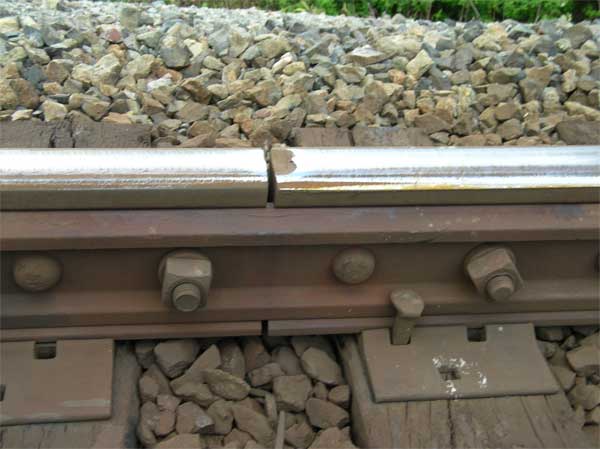
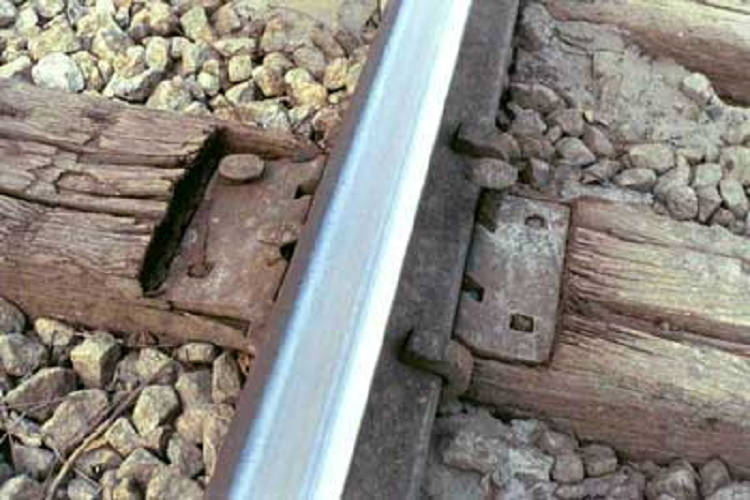
By Norman Hooper • July 2010 See Part 1. Experience has shown that an efficient and cost-effective rail grinding program requires attention to basic track inspection and maintenance procedures. This includes attention to “hot spots,” such as joints, welds and road crossings. Figure 1 shows a rail joint at the end …

Featured

Reducing the Stress State on Canadian Pacific’s Western Corridor

October 13, 2013 | Filed under: Friction Management, Maintenance, Rail Grinding

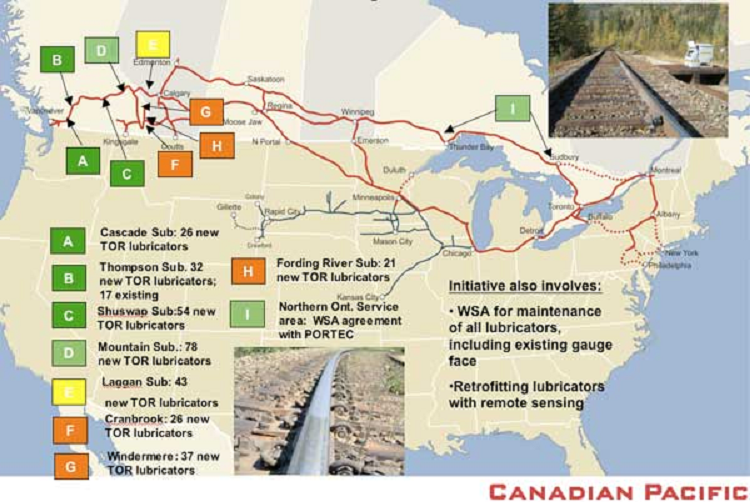
By Mike Roney • July, 2009  Canadian Pacific has taken a unique approach to reducing the stress state in its western corridor. The approach includes the implementation of distributed power and the implementation of friction management. It also includes examination of their combined effects — something that is relatively new. Looking at …

Featured

The Basics of Successful Grinding (Part 1 of 2)

October 13, 2013 | Filed under: Maintenance, Rail Grinding

By Norman Hooper • January 2010 It behooves railways to periodically review tie, fastener and surfacing maintenance practices, particularly as they relate to the planning and quality of rail grinding procedures. The use of technology, enhanced inspections, regular grinding cycles and friction modification can improve rail surface quality. The safety rationale …

← Previous Page

Search by Category

Related Articles

  • The Basics of Successful Grinding (Part 2 of 2)
    In relation to
    Maintenance
  • The What, Where, Why and How of Rail Grinding
    In relation to
    Rail Grinding
  • A Measured Approach to Improvements in Rail Grinding
    In relation to
    Rail Grinding
  • Practical Rail Grinding
    In relation to
    Rail Grinding
  • Tuning in to the Systems Approach
    In relation to
    Vehicle/Track

Sponsors

ENSCO
Hollandlogo

© 2026 Interface Journal


Loading Comments...