Currently browsing category
Noise and Vibration
How Rail Grinding and Milling Affect Noise on Transit Systems
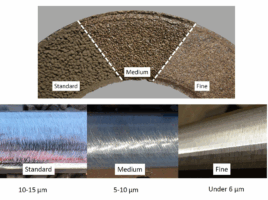
by Jeff Tuzik A well optimized wheel/rail interface is a quiet wheel/rail interface. In the rail transit environment, there are many technologies and strategies to reduce wheel/rail-generated noise, and they tend to focus on reducing rail roughness. Standard rail grinding, acoustic rail grinding, rail milling, and specialized acoustic grinding machines …
SkyTrain: Moving from Reactive to Preventive Rail Maintenance Toward a State of Good Repair
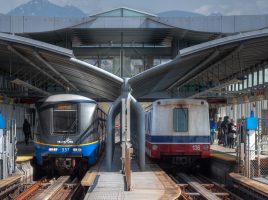
by Bob Tuzik This article was originally published in Mass Transit (February 2022). SkyTrain, Vancouver’s iconic rail transit system, is a system in motion. Since the opening of the original Expo Line, named and timed to coincide with Expo 86, SkyTrain, which moves more than 115 million commuters per year pre-covid, …
How Sound Transit Controls Train-Borne Noise
by Bob Tuzik This article was originally published in Mass Transit (June 2023). Challenges abound in the design, construction, maintenance, and operation of light rail lines in urban areas. Chief among them is controlling track- and vehicle-born noise, an important part of maintaining the support of an agency’s various stakeholders, …
Vehicle Design: Managing Wheel/Rail-Generated Noise and Vibration from the Ground Up (Part 2)
By Jeff Tuzik This article was originally published in Mass Transit (June 2024) in conjunction with the annual Wheel/Rail Interaction Rail Transit conference. In part 1 of this article, a group of experts, including a transit operator, three vehicle manufacturers, and a noise and vibration consultant, examined how to mitigate wheel/rail-generated noise at the …
Vehicle Design: Managing Wheel/Rail-Generated Noise and Vibration from the Ground Up (Part 1)
The article discusses the challenges of vibration and noise in rail transit operations, emphasizing the importance of vehicle design and technology in mitigating these issues. Key design factors, such as unsprung mass and suspension characteristics, significantly impact performance. Strategies from experts and case studies highlight the complexities of optimizing vehicles for noise and vibration control.
Implementing Rail Grinding and Wheel/Rail Interface Optimization Programs on Heavy Haul and Transit Systems: Lessons Learned
Rail grinding has evolved significantly since the 1980s, with preventive grinding becoming key for rail maintenance. Eric Magel shares insights from global experiences, highlighting failures due to improper grinding methods and the importance of maintaining optimal rail profiles. Recent advancements in technology and strategies continue to alter rail grinding practices for efficiency and effectiveness.
Protected: Mitigating Noise and Vibration on Rail Transit Systems
The Tools of Remediation: Case Studies on Mitigating Common Concerns at the Wheel/Rail Interface.
by Jeff Tuzik Transit systems around the world, despite their differences, all contend with the same issues to some degree. Issues like vehicle- and ground-borne vibrations, excess noise, and timetable delays often rise in priority as they generate increasing numbers of complaints. These issues are often symptoms that can be …
Examining Autonomous Track Geometry Testing and Instrumented Revenue Vehicle Technology
A pair of speakers from different continents discuss the benefits of autonomous track geometry collection and the advantages of monitoring revenue-service vehicles’ response to track conditions in this first installment of topics covered at this year’s annual Wheel/Rail Interaction Conference in Vancouver, B.C., Canada. By Bob Tuzik Brad Kerchof wasted …